That Quiet Question: Do We Need Marriage Counselling?
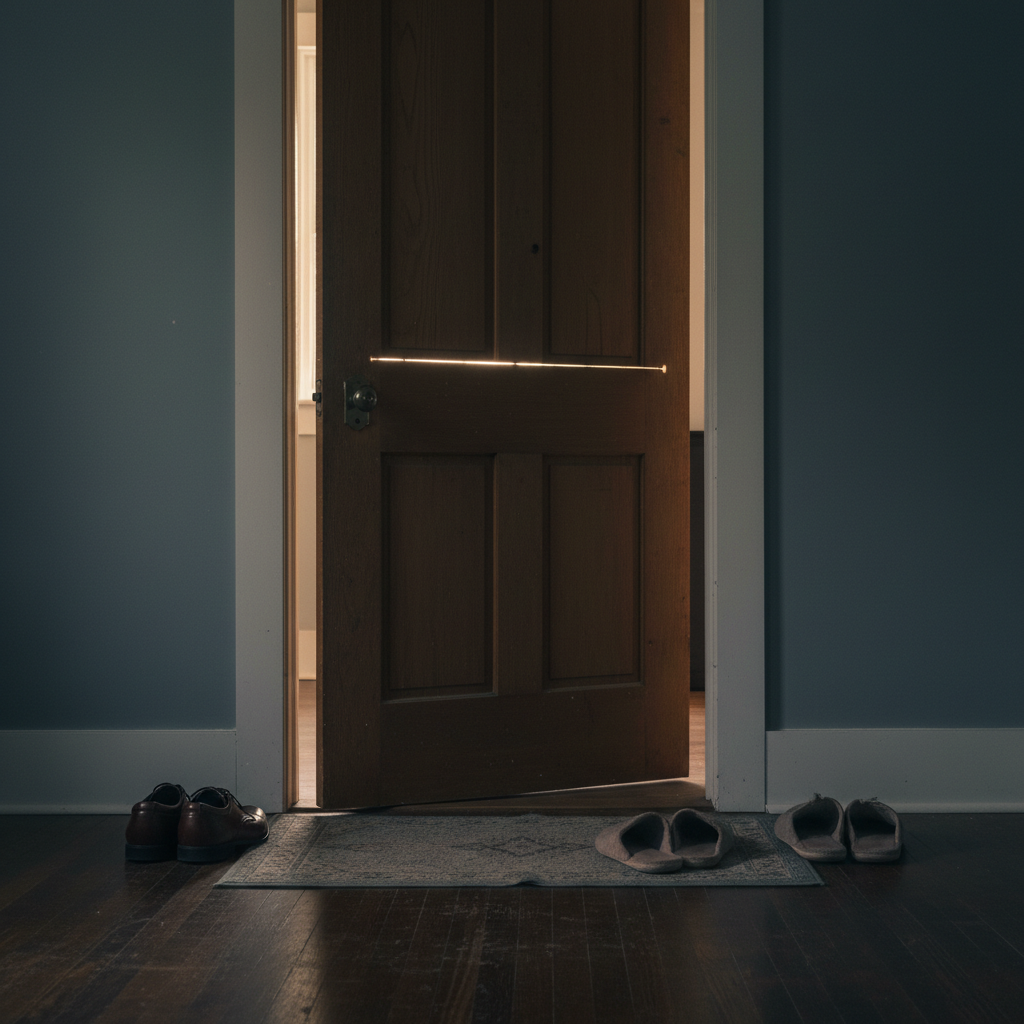
It’s a question that’s rarely asked out loud, at least not at first. It’s more likely typed quietly into a search bar, maybe late at night when your partner is asleep. Or perhaps it surfaces in your mind while you’re doing something mundane, like loading the dishwasher, and you suddenly realise how silent the house has become.
“Do we need marriage counselling?”
The very act of asking it brings a complicated mix of feelings. There’s fear, certainly. But there's also a sliver of hope. It suggests that a part of you isn’t ready to give up, that you’re looking for a path back to how things used to be.
It’s Rarely One Big Thing
Most couples who come to us for relationship counselling in Kent haven’t had a single, dramatic blow-up. It’s usually the opposite. It’s a slow, quiet accumulation of small hurts, misunderstandings, and moments of disconnect. It's what we sometimes call That Quiet Distance: When Your Relationship Feels Stuck. One day you look across at the person you love and feel a sense of bewilderment, wondering how you ended up here.
You might still function perfectly as a team. You co-parent, run the household, and manage finances like a well-oiled machine. But the friendship, the intimacy, the simple fun of being together has faded. You’ve become brilliant business partners in the project of life, but you’ve stopped being partners in the truest sense.
When the Signs Aren’t Shouting
Wondering when to seek couples counselling often comes from a place of confusion, because the problems don’t always seem ‘bad enough’. But the most corrosive issues are often the quietest.
Does any of this sound familiar?
- The Same Old Argument. It might be about chores, money, or the in-laws, but it’s never really about that. It’s the same script on a loop, leaving you both exhausted and unheard. The argument ends not with a resolution, but with one or both of you retreating.
- A Loss of Affection. This isn’t just about sex. It’s the absence of a hand on your arm as you pass in the hallway, the lack of a hug at the end of the day, or sitting on opposite ends of the sofa every evening.
- Feeling Chronically Misunderstood. You try to explain how you feel, but the words don’t seem to land. You start to think, “What’s the point?” and gradually stop trying. You edit yourself to keep the peace, and a little bit of you disappears each time.
- Life Feels Better When They’re Not There. This one is tough to admit. It’s a subtle feeling of relief when your partner goes out for the evening, or a sense of dread on a Sunday afternoon when you know the working week – and the distraction it provides – is over.
If these moments are becoming more frequent, it’s not a sign of failure. It’s a sign that your usual ways of solving problems aren't working anymore. You’re stuck in a pattern, and you can’t see the way out on your own.
Changing the Question: From ‘Need’ to ‘Benefit’
Perhaps a more helpful question is not “Do we *need* this?” but “Could we *benefit* from this?”
The word ‘need’ feels heavy. It implies crisis and failure. But choosing to get support for your relationship is a proactive, hopeful step. It’s acknowledging that your relationship is important enough to invest in. It's for couples who want to build something better, not just those at a breaking point. We even work with couples who are asking these quiet questions before getting married.
Couples therapy provides a different kind of conversation. It’s structured, calm, and guided. It’s a space where you can finally say what you mean, without the conversation spiralling into the same old fight. The goal is to understand the pattern you’re both caught in.
Common Worries We Hear
It’s completely normal to feel apprehensive. A common fear is that the therapist will take sides. We want to be very clear: that is not our role. A good therapist is not a referee or a judge, they are there for the relationship itself. Their job is to help you both see the dynamic more clearly and improve your communication.
Some people also wonder if this is just old-fashioned marriage guidance. While the terms are often used interchangeably, modern relationship counselling is less about giving advice and more about helping you uncover your own solutions. We explain the difference in our post Marriage Counselling vs. Relationship Counselling.
And the biggest fear? “What if the therapist tells us to break up?” Our aim is to bring clarity. For the vast majority of couples, that clarity leads to a stronger connection. For a small number, it may lead to the realisation that the kindest thing is to separate. If that is the outcome, therapy can help you navigate Ending a Relationship in a more constructive and compassionate way.
How Relationship Counselling in Kent Works
Finding a way forward starts with a simple step. We offer couples therapy across Kent, with face-to-face appointments in locations including Maidstone, Canterbury, and Tunbridge Wells, as well as online sessions for your convenience.
You don’t have to commit to a long process. Our sessions are booked one at a time, giving you complete control. Our fee is £80 per couple for a full hour session. It’s simply a chance to have one productive, guided conversation to see if it helps.
If you’re asking that quiet question, maybe it’s time to find an answer together. You can book your first session directly through our website or get in touch if you have any questions. It’s a brave and positive step to take for your relationship.
Written by Sian Jones, Founder of Relationship Counselling Kent. Sian has extensive experience helping couples improve communication, rebuild emotional connection and strengthen their relationships.