Individual or Couples Counselling? How to Choose Your Starting Point
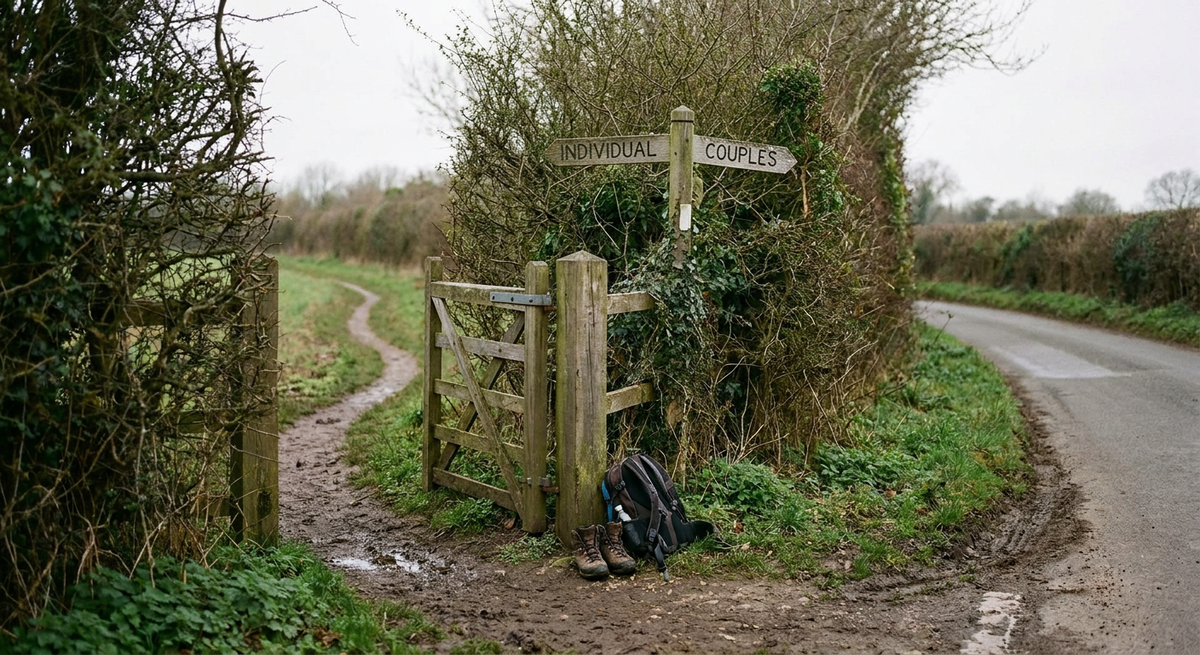
Constant arguments or a growing distance often prompt people to look for professional help. The immediate question is usually whether to book joint sessions or seek personal support first. The simplest distinction lies in the focus of the work. A relationship counsellor looks at the dynamic between you both: the communication styles, reactive patterns and shared history. Individual therapy concentrates on your personal internal world, such as underlying anxiety, low mood or past experiences.
How a relationship counsellor approaches your difficulties
When you attend couples therapy, the relationship itself is the client. The therapist is not there to decide who is right or to fix one person. Instead, they observe how you interact. If a disagreement escalates quickly, the counsellor will help you slow down and identify the cycle driving the conflict. Joint sessions are highly effective when both partners want to improve their connection, rebuild trust after a betrayal, or change destructive communication habits.
When individual support is the priority
Sometimes, personal difficulties make joint work premature or less effective. If one partner is experiencing severe depression, unmanaged anxiety or processing a recent personal trauma, these issues require dedicated attention. In these situations, individual therapy provides a focused environment to develop coping strategies and process complex emotions without the added pressure of managing a relationship dynamic simultaneously.
Another common scenario is when one person is entirely unsure if they want the relationship to continue, or if they are holding a secret they are not ready to share with their partner. Individual sessions offer private space to clarify thoughts and decide on the next steps.
Can we see the same therapist for both?
Couples often ask if they can see their relationship counsellor for individual sessions alongside their joint work. Professional boundaries generally prevent this. A therapist needs to remain impartial and hold the trust of both partners. If a counsellor holds individual secrets or builds a stronger therapeutic alliance with one person through separate weekly sessions, the balance of the couples work is compromised. If you need individual support alongside marriage counselling, your therapist will usually recommend finding a separate practitioner for that specific work.
The assessment process
During your first couples session, the counsellor will ask about your history, what brought you to therapy and what you hope to achieve. This initial meeting helps evaluate whether couples therapy is suitable right now. If a relationship counsellor notices that acute anxiety or profound low mood is significantly blocking your ability to engage in joint work, they will discuss this openly. They might suggest pausing the couples sessions while one or both partners seek individual help.
Making your decision
If your primary distress comes from how you and your partner speak to each other, a loss of intimacy, or a specific relationship crisis, couples therapy is usually the logical starting point. If your distress is primarily internal, predates the relationship, or prevents you from functioning day-to-day, individual support is likely more appropriate.
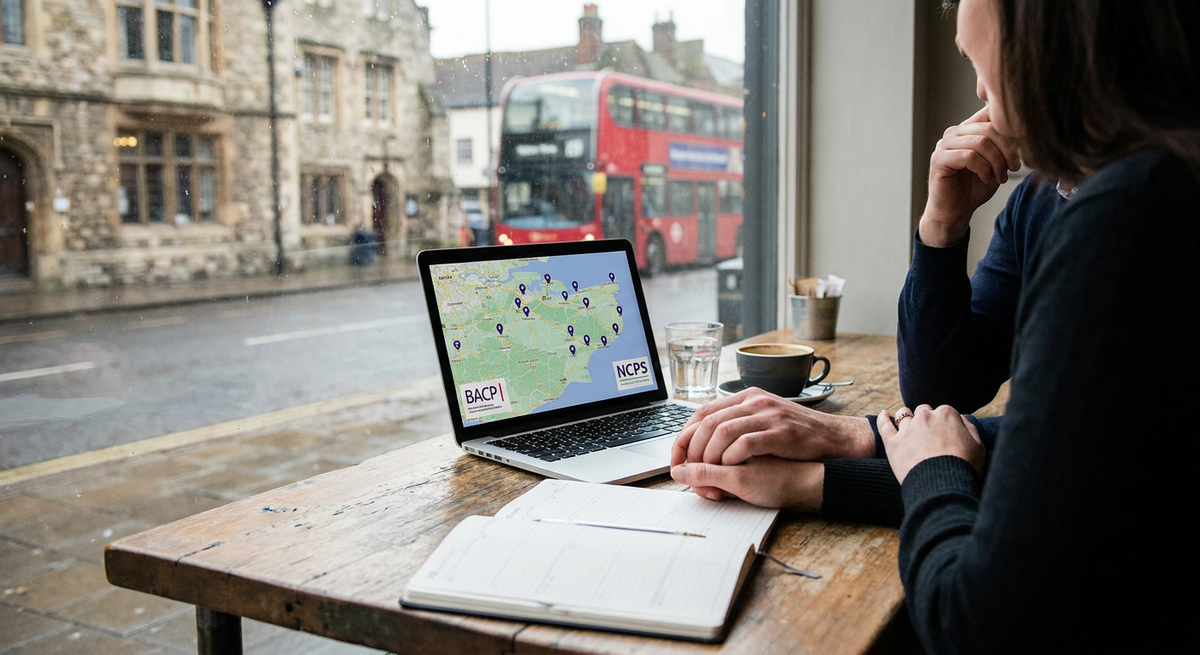
At Relationship Counselling Kent, we offer face-to-face appointments across the county and online video sessions. You can read through our therapist profiles, watch their introductory videos and check their availability. When you are ready, you can book your first appointment directly online. Couples sessions cost £80 for a full 60-minute hour, with no requirement for long-term block bookings, as you simply pay session-by-session.
Sian Jones, Founder of Relationship Counselling Kent and professional counsellor.