How a Chronic Illness Diagnosis Changes Your Marriage
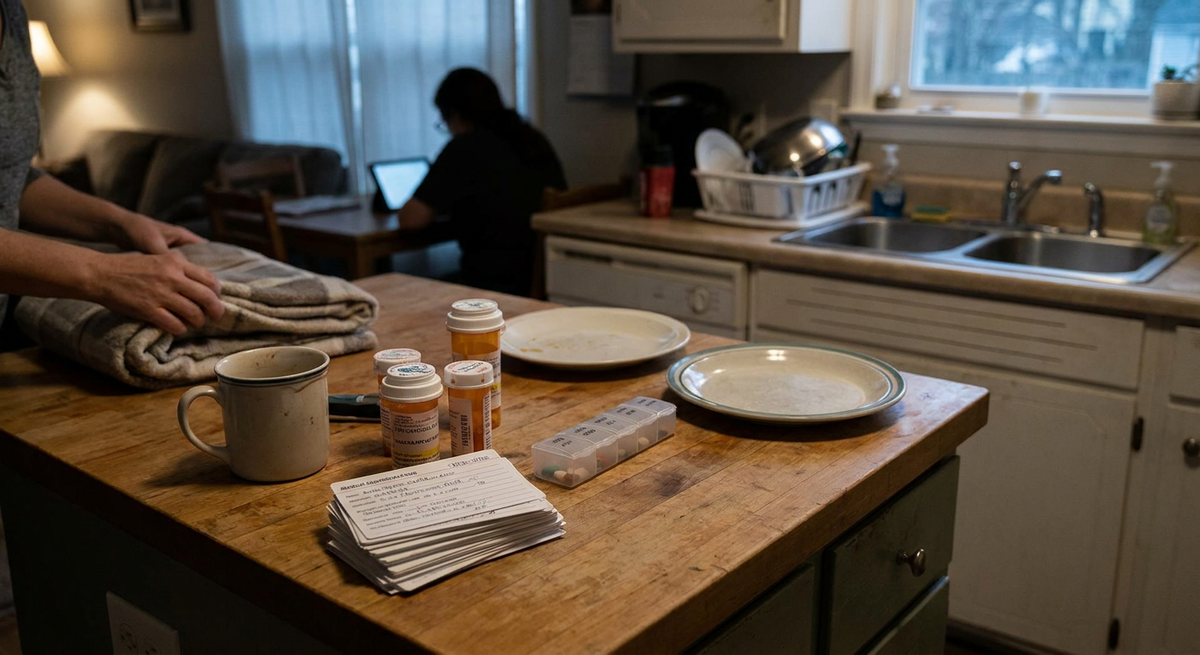
A serious or chronic health diagnosis alters the structure of a relationship almost immediately. Couples often find their daily focus shifting away from shared goals and mutual interests, replaced entirely by medical appointments, symptom management and new physical limitations. The practical demands of a progressive condition can quickly overshadow the romantic connection that originally brought you together.
The shift from partners to patient and caregiver
When one partner requires significant physical or emotional support, the natural balance of the relationship changes. The dynamic easily slips into a primary caregiver and patient arrangement. Over time, the healthy partner might take on the bulk of household responsibilities alongside physical care routines, leading directly to caregiver strain.
The partner with the diagnosis often experiences a sudden loss of independence. This is frequently accompanied by guilt for relying heavily on their spouse or frustration at their changing physical abilities. This mutual strain creates an environment where both individuals are exhausted, leaving little energy for intimacy or lighthearted conversation.
Processing the loss of your previous routines
Adapting to a chronic illness marriage requires acknowledging that certain future plans, spontaneous trips or physical activities might no longer be possible. Grieving these lost routines is a necessary step for both partners. Ignoring this disappointment often leads to silent resentment.
Both of you must be able to express sadness about how the illness has restricted your lives without the other taking it as a personal criticism. The healthy partner needs room to acknowledge the heavy weight of caregiver strain, while the diagnosed partner needs to express their frustration with their body. Recognising these difficult emotions together helps prevent a wedge forming between you.
Separating the illness from the relationship
When managing a long-term condition, the illness can easily become the only topic of conversation. To protect the relationship, couples need to intentionally separate their marriage from the medical diagnosis.
- Set boundaries around medical talk: Dedicate specific times of the day to discuss health updates, appointment scheduling or medication changes, leaving the rest of the day for normal conversation.
- Preserve your identities: Continue using your partner's name and speaking to them as your spouse, rather than adopting clinical language or treating them solely as a patient.
- Find accessible shared interests: If previous hobbies are no longer physically possible, look for new ways to spend time together that accommodate the current physical reality without focusing on it.
Rebuilding emotional and physical intimacy
A health diagnosis often disrupts physical intimacy, whether due to pain, medication side effects, fatigue or the psychological shift into caregiving roles. Rebuilding this connection requires patience and open communication. Intimacy might look different now; it could mean holding hands, spending quiet time reading together, or finding new ways to show physical affection that do not cause discomfort.
Communicating your needs clearly is vital. The caregiving partner might need a break from physical touch after a day of providing hands-on care, while the diagnosed partner might crave reassurance that they are still desired. Discussing these changing needs openly helps maintain mutual respect and prevents feelings of rejection.
How relationship counselling helps couples adapt
Speaking with a professional marriage counsellor provides a structured environment to discuss the impact of the illness. Therapy offers a neutral place to voice fears, guilt and frustrations constructively, ensuring both partners are heard.
Relationship counselling focuses on improving communication patterns that may have broken down under the stress of the diagnosis. A counsellor can help you identify where caregiving tasks have entirely replaced emotional connection and work with you to re-establish your roles as equal partners.
If your relationship dynamics have changed following a medical diagnosis, speaking with a professional can help you both adjust. At Relationship Counselling Kent, we offer face-to-face sessions across the county and online video appointments for couples. You can read our therapist profiles, check their availability and book directly online. Each 60-minute session is £80 per couple, and we work on a flexible, session-by-session basis.
Sian Jones, Founder of Relationship Counselling Kent and professional counsellor.